What to check before booking a premium private tour in Barcelona
Barcelona rewards careful planning. The city is compact enough to cover a lot in a day, yet layered enough that a poor route can waste hours in traffic, queues, or crowded streets. Premium private touring is meant to remove that friction. The right fit depends on more than a stylish car or a polished itinerary, so it pays to check the details before committing.
Start with the purpose of the day. Some visitors want architecture and history, others want food, wine, shopping, or a slower look at neighbourhoods. Barcelona can combine several themes, but a plan that tries to do everything often feels rushed. Decide which two or three experiences matter most, then judge each proposal by how well it protects that time.
What to check before you book
- The route and timing. Ask how the day moves from stop to stop, where breaks fall, and whether travel time is built in. A good plan accounts for narrow old streets, busy seafront roads, and the fact that some places are best visited early or late.
- What is included and what is not. Entry tickets, tastings, meals, transport, and waiting time can be bundled or handled separately. Clear wording helps you compare like with like and avoids surprises on the day.
- How private the experience really is. Check whether the booking is for your group alone, whether any part is shared, and whether the schedule allows changes once the day begins. Privacy can mean a dedicated vehicle, a dedicated local host, or both.
- Access and comfort. Think about walking distance, stairs, heat, mobility needs, and dress requirements at certain venues. Luxury loses its value if the pace or physical demands do not suit the group.
- Cancellation and change terms. Travel plans shift. Read the conditions for late changes, missed entry times, weather disruption, and refunds before paying a deposit.
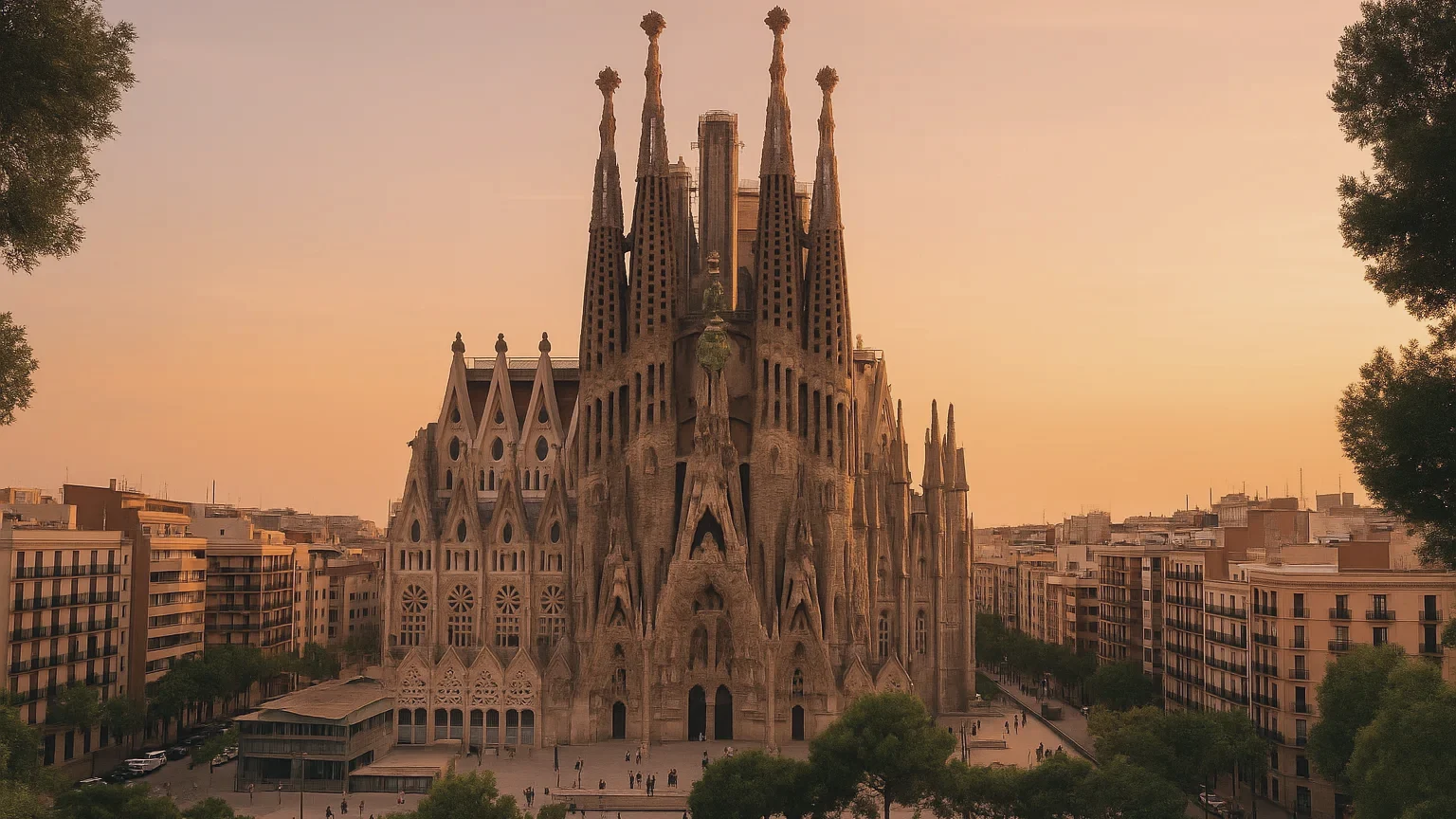
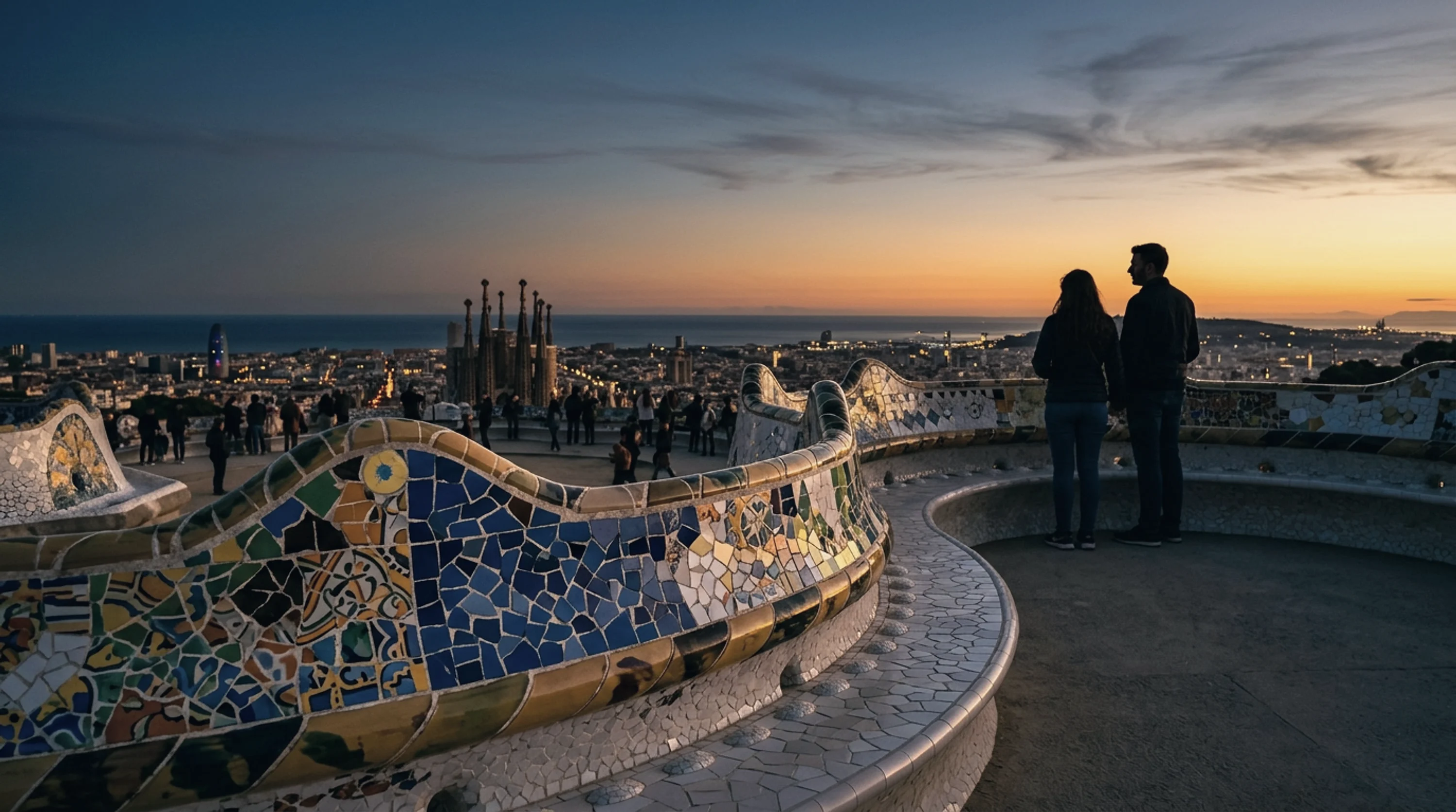
When comparing options, look at the shape of the day rather than the number of attractions listed. A route that pairs Sagrada Familia, Park Guell, and the Gothic Quarter may sound efficient, yet each site has its own entry rhythm and crowd pattern. A stronger plan groups places by area and leaves room for the city between them. That space is where Barcelona often feels most memorable: a quiet courtyard, a market stall, a view from a side street.
The term luxury is used loosely in travel, so pin down what it means in practice. For some people it is Michelin-starred dining with a carefully timed arrival. For others it is private wine tastings, a calm car waiting outside a hotel, or exclusive museum tours that avoid the busiest public hours. The details should match your idea of comfort, not a generic idea of status.
It also helps to separate fixed elements from flexible ones. Landmarks with timed entry need firm planning. Meals, shopping, and scenic stops can often move. If a proposal treats every hour as fixed, ask where flexibility exists. If it is entirely loose, ask which reservations are secured. A balanced plan protects the hard-to-change parts while leaving space for the day to breathe.
Questions that reveal the quality of a plan
A useful conversation should feel practical, not like a sales pitch. You can ask how long each visit lasts, whether the guide enters sites with guests, and what happens if a venue runs late. Ask how the day handles lunch, water, and rest, especially in warm months. These points sound small, but they shape the experience far more than a long list of famous names.
Transport deserves the same attention. A vehicle upgrade can matter in Barcelona because distances that look short on a map can take longer in central traffic. Check pickup and drop-off points, luggage space if the tour sits beside a flight or hotel change, and whether parking or access restrictions affect the route. luxury vehicle upgrades are most useful when they solve a real movement problem, not when they simply add a label to the booking.
Some experiences carry their own timing rules. penthouse apartment visits may depend on building access and availability. yacht harbour cruises depend on weather, berth arrangements, and boarding points. helicopter city tours are especially sensitive to conditions and scheduling. In each case, ask what the backup plan is and whether the rest of the day can absorb a change. A premium plan should have a sensible alternative, even if the main arrangement stays in place.
Compare the level of local knowledge on offer. A host who can explain why a district developed a certain way, or how a dish fits into Catalan food culture, adds depth that a map cannot. At the same time, not every tour needs a lecture. Some travellers want quiet efficiency and time to absorb the city. Say what you prefer, and see whether the proposal adapts.
Reading the small print is less glamorous, but it prevents most disappointments. Check the meeting point, the end point, the start time, and what happens if guests arrive late. Look for clear terms on missed entries, changes to the itinerary, and anything that depends on third-party venues. If a detail is unclear before booking, it is likely to be frustrating on the day.
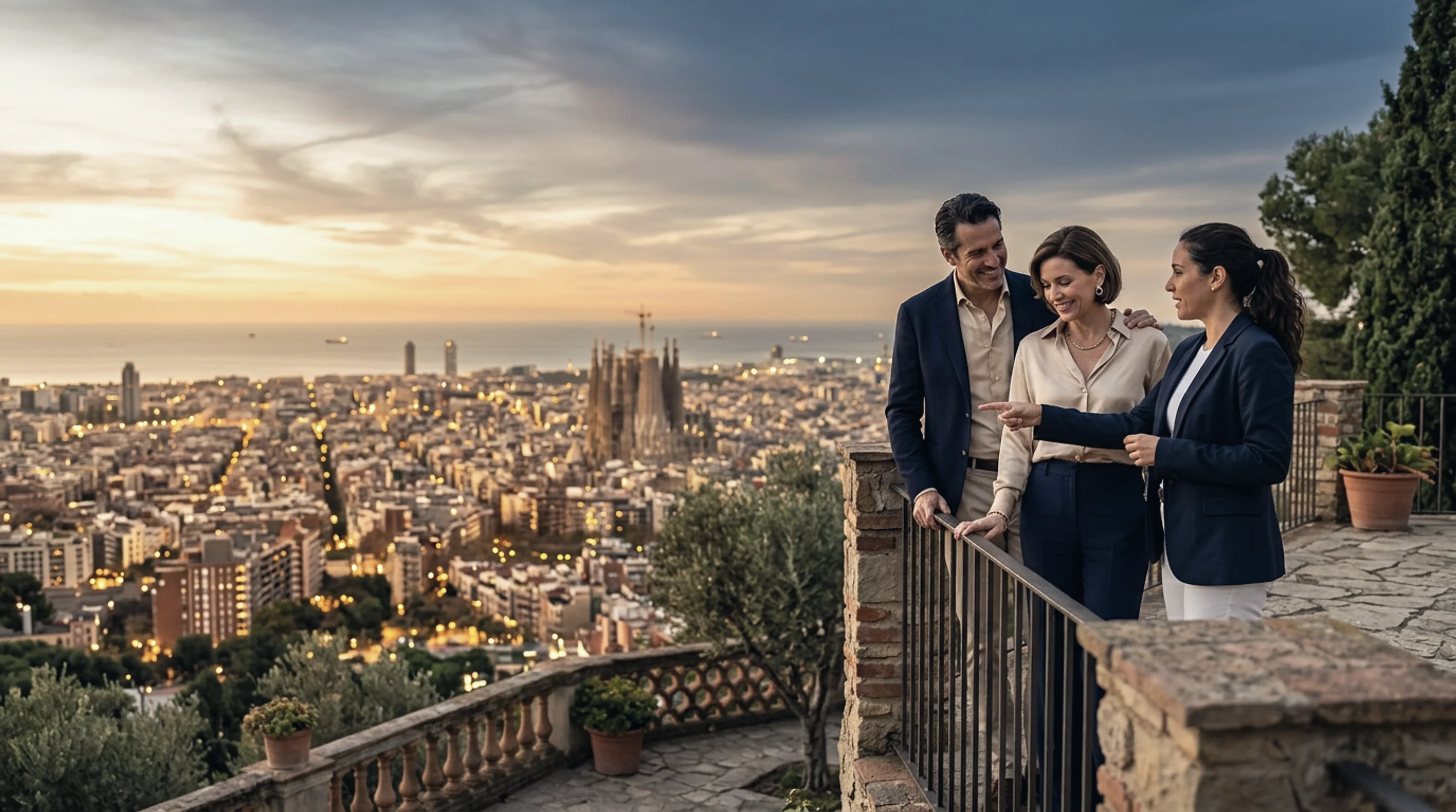
Names can help narrow the field. If you are comparing providers, keep the shortlist simple and return to the same core questions each time. A site such as privatetourinbarcelona.com may be one reference point, but the better test is whether the proposed day fits your pace, interests, and practical needs.
Match the experience to the occasion
A birthday, anniversary, business visit, or first trip to the city all call for different choices. Celebrations may justify a slower meal, a scenic afternoon, or bespoke shopping experiences with room to browse. A first visit may need a stronger introduction to Gaudi, the old city, and the waterfront. A business itinerary may value punctuality, discretion, and easy hotel access over a packed schedule.
Group size changes the calculation too. Two travellers can move differently from a family or a small party. Ask whether the route works for mixed ages, whether there is enough seating during stops, and how the plan handles different energy levels. A private setting should make the day easier to tailor, but only if those needs are shared in advance.
Food and drink can be a highlight or a source of delay. If a tasting is central to the day, check its length, location, and how it connects to the next stop. private wine tastings can pair well with a relaxed afternoon, but they may not sit comfortably before a strict evening reservation. Michelin-starred dining can anchor a special evening, though it may require a slower build-up earlier in the day.
Culture-focused plans need a similar check. exclusive museum tours may appeal when avoiding peak crowds matters, yet not every museum allows the same level of access at every time. Confirm the venue, the entry arrangement, and whether the visit is guided or self-paced. The wording matters, because a private guide and a private room are not the same thing.
There is also the question of what happens between the headline stops. Barcelona has a way of rewarding unhurried transitions, whether that means coffee before a visit, a short walk through a district, or a quiet moment by the water. A plan that leaves no gaps can feel transactional. A plan with too many gaps can feel underbuilt. The aim is a day that has shape without feeling tightly packed.
Before booking, read the proposal as if it were a timed document. Follow the morning, afternoon, and evening in order. Notice where queues might form, where meals might overrun, and where the group may want fresh air or a seat. Then check whether the provider has answered the practical questions directly. Clear answers at this stage usually lead to a calmer day.
Finally, keep one simple rule in mind: the most expensive option is not automatically the best fit. barcelona luxury tours work when the details serve the people taking them. Choose the plan that respects your time, handles the city's practical quirks, and leaves enough room for Barcelona to surprise you. Somewhere in that shortlist, the name privatetourinbarcelona.com may appear, but the decision should rest on the day itself, with each stop, transfer, and pause making sense together.